PVcase · Yield
Solar simulations, without the complexity
SaaSWeb app
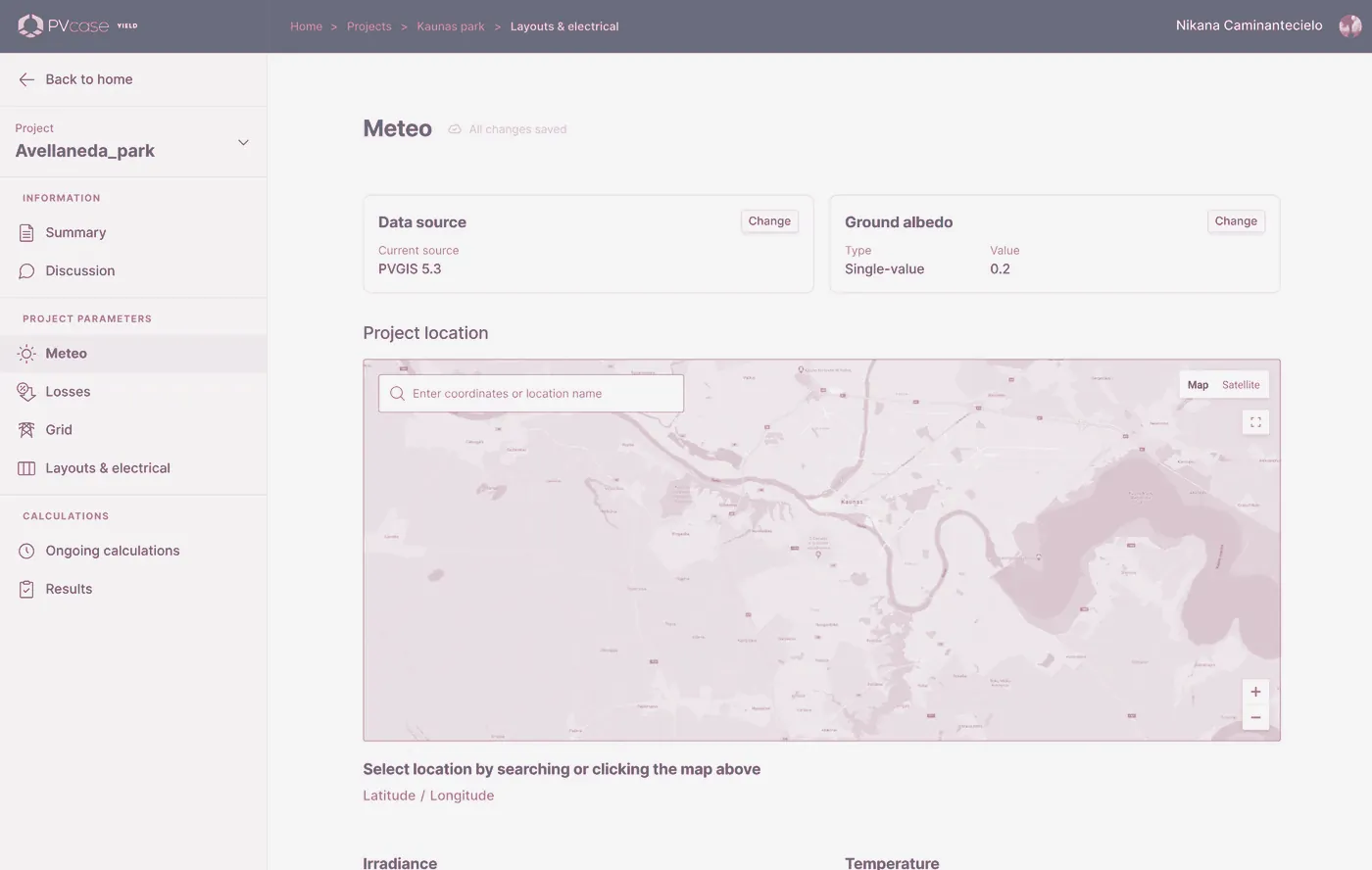
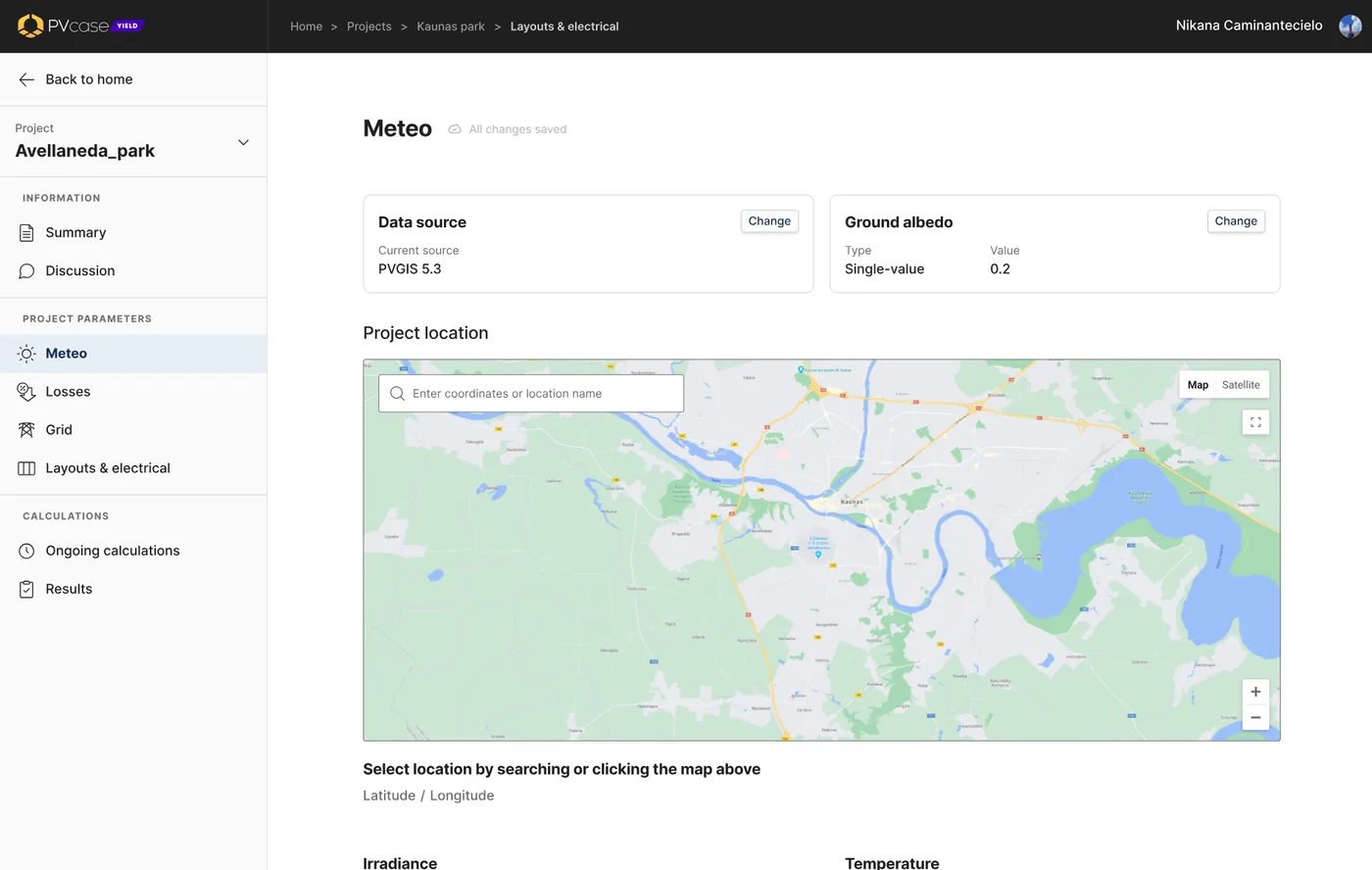
Built for engineers who design solar plants. I own the design of a full product area, from discovery to handover.
−68% support tickets on these features
Federico J. Creo · Senior Product Designer
I’m a Senior Product Designer with 8+ years in B2B SaaS, data-heavy tools and high-traffic e-commerce. I enjoy taking complex problems apart, designing the whole experience around them, and turning them into simple solutions.



Products I’ve designed and shipped: new products where I led design end to end, and features inside complex platforms.
Built for engineers who design solar plants. I own the design of a full product area, from discovery to handover.
−68% support tickets on these features
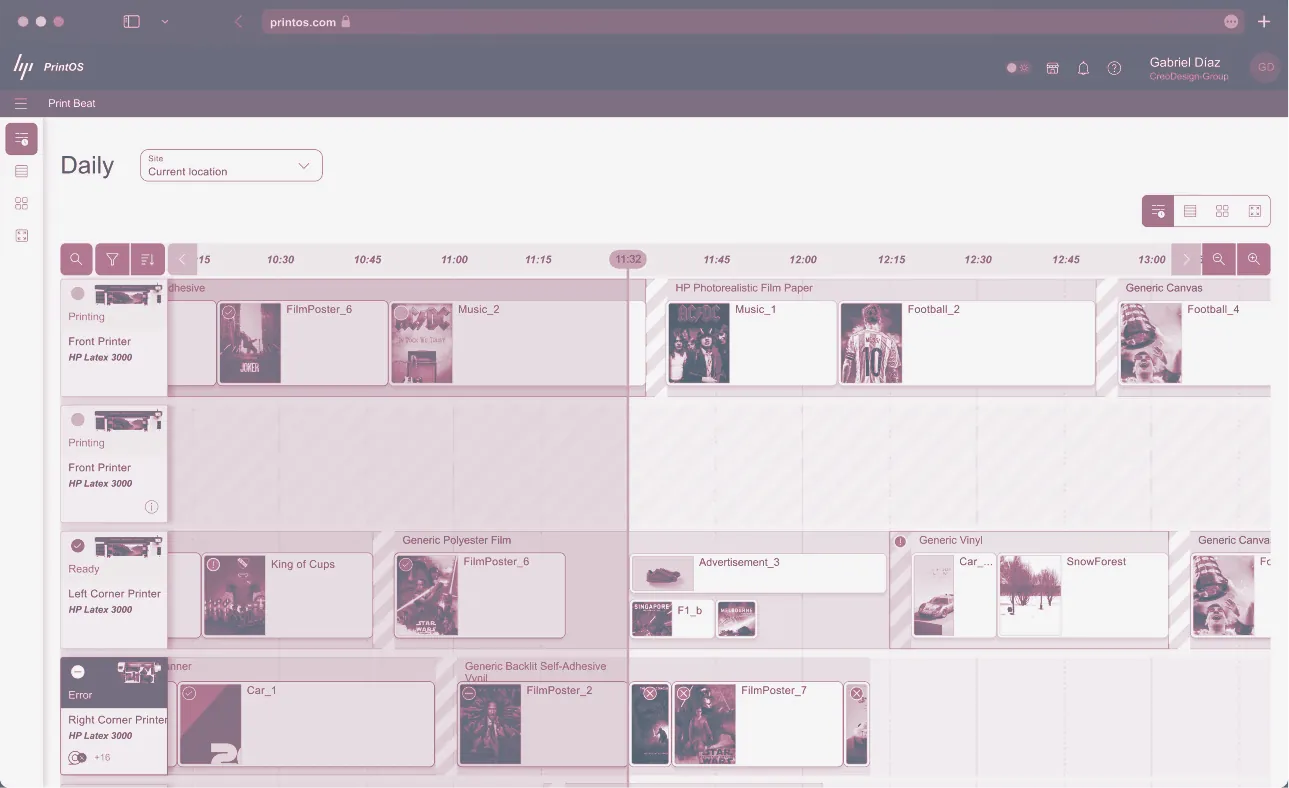
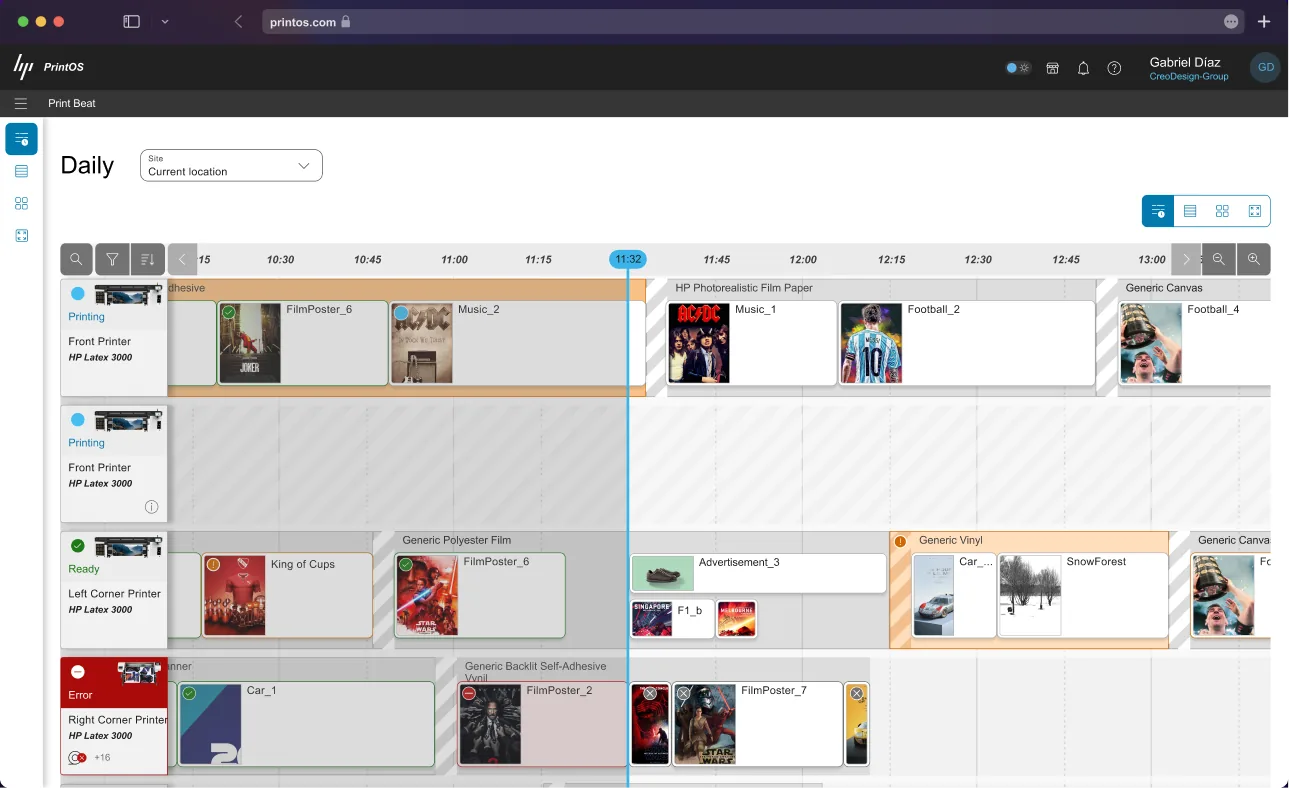
A real-time view of a whole printer fleet. I led the design from validating that the need was worth a product to launch.
70% of beta users still active a month after launch
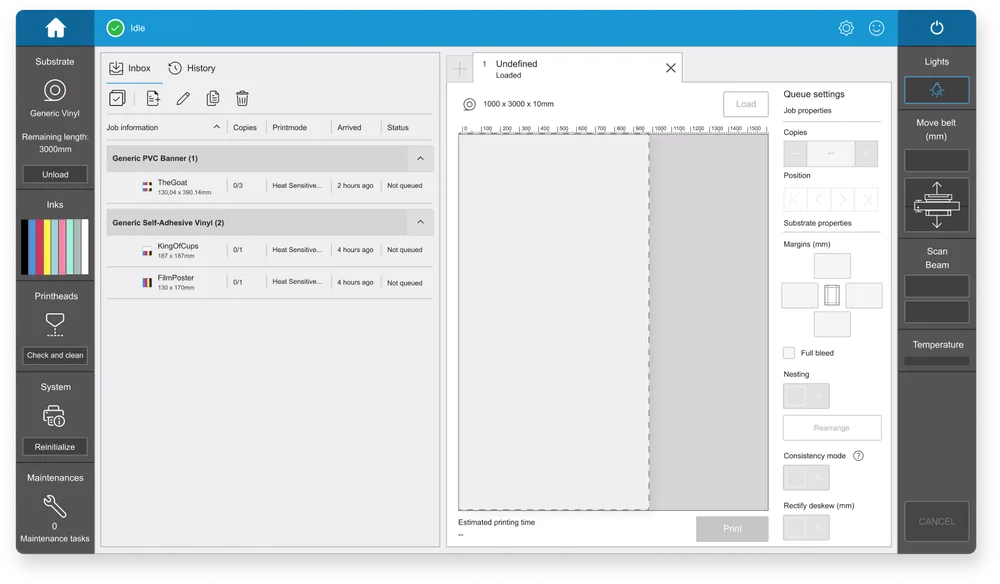
The touchscreen of HP’s industrial printers, used by specialized operators. I designed its most complex flows, from print queues to white-ink printing.
−51% support tickets on sending jobs to print
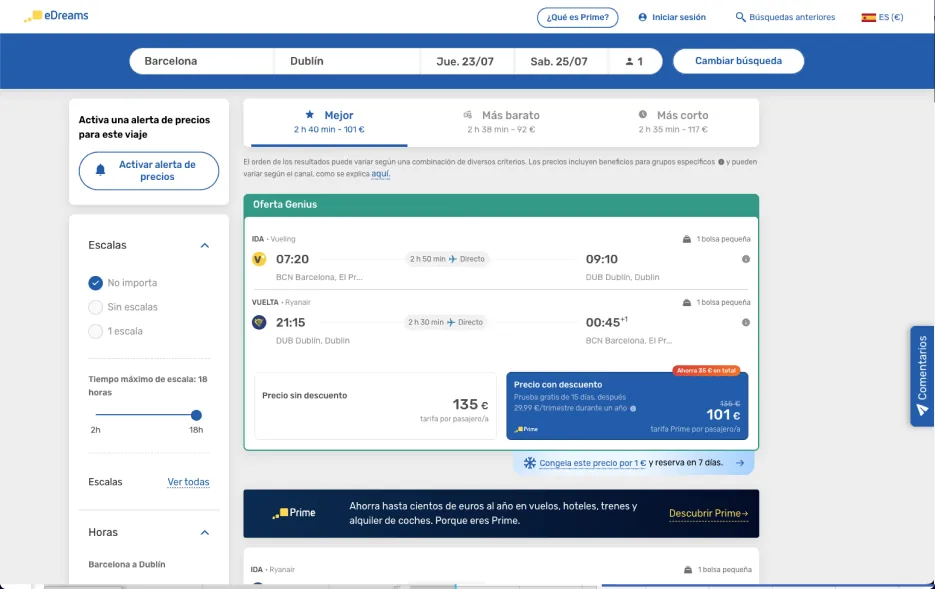
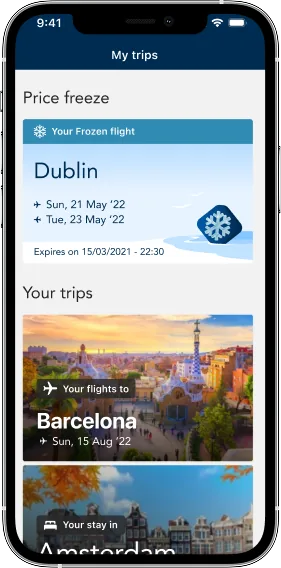
Price Freeze, seats and bags across 4 brands. I redesigned how they’re presented, so their mechanics are clear and they drive attach rate and revenue.
−20% post-purchase support contacts
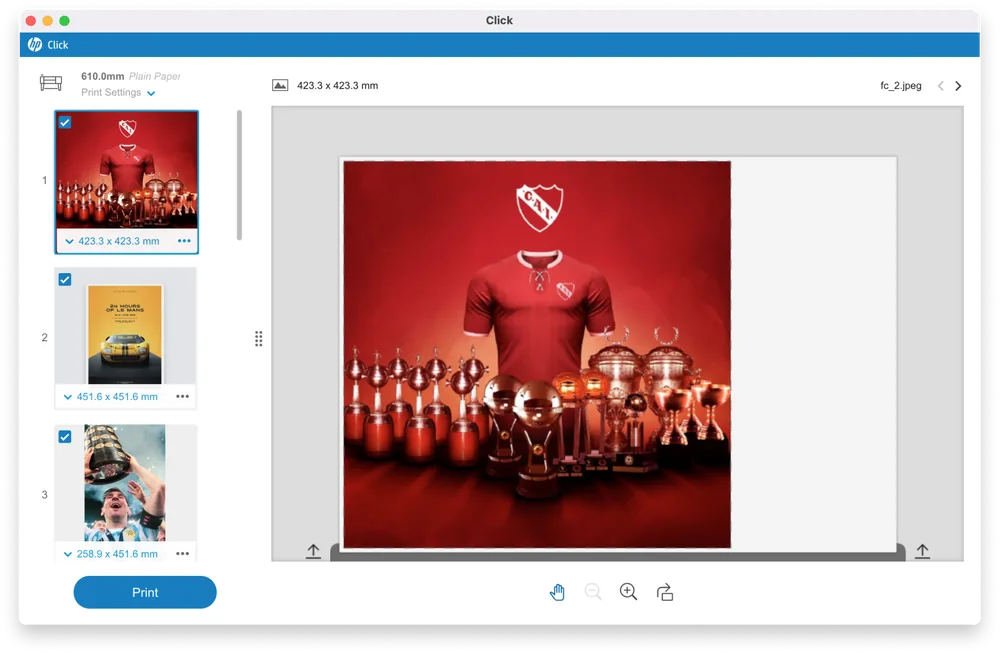
Desktop software to prepare files for large-format printers. I redesigned its structure and key flows, and owned its accessibility.
First product in the program to meet WCAG 2.1

I bring the user’s view to prioritization, so we build what research and data show matters most.
See HP Live Production →I design each feature for the journey around it, not just the screen it lives on.
See Travel add-ons →From validating whether a product is worth building to testing solutions with users.
See HP Live Production →I use AI across research and design, automating the repetitive work around them.
See PVcase Yield →Components, patterns and guidelines any team can apply consistently, with accessibility built in.
See HP Live Production →Considering accessibility from the start makes products easier to use for everyone.
See HP Click →Good products come from teams that understand their users and work together on the solutions they need. This is what I do when I join one.
I start by getting to know the team and setting expectations both ways. I want to understand what works today and what doesn’t, so design, product and engineering work better together.
In every company I’ve worked at, each stakeholder had their own picture of the user. With different users in mind, we can’t agree on the problem, let alone the solution. That’s why I make a shared one the first step.
For any feature or initiative, I encourage the team to define the user’s problem, the business goal and the outcome that counts as success before talking about solutions. Jobs to be done is my usual frame. Time spent here is time saved later.
Design is something we do together, not something I hand over. I bring the team close to users through recordings and insights, run ideation sessions, and share ideas as early as possible, so feedback makes the solution better. When everyone shaped it, everyone believes in it.
I like to iterate in short cycles, testing each one with the best evidence I can get: real users, domain experts inside the company, or an A/B test when that’s cheaper. Every round makes the next version better.

I studied graphic design, marketing, UX and coding. I believe designers should understand the other disciplines that build a product: speaking the same language as engineering and business makes the whole team work better.